
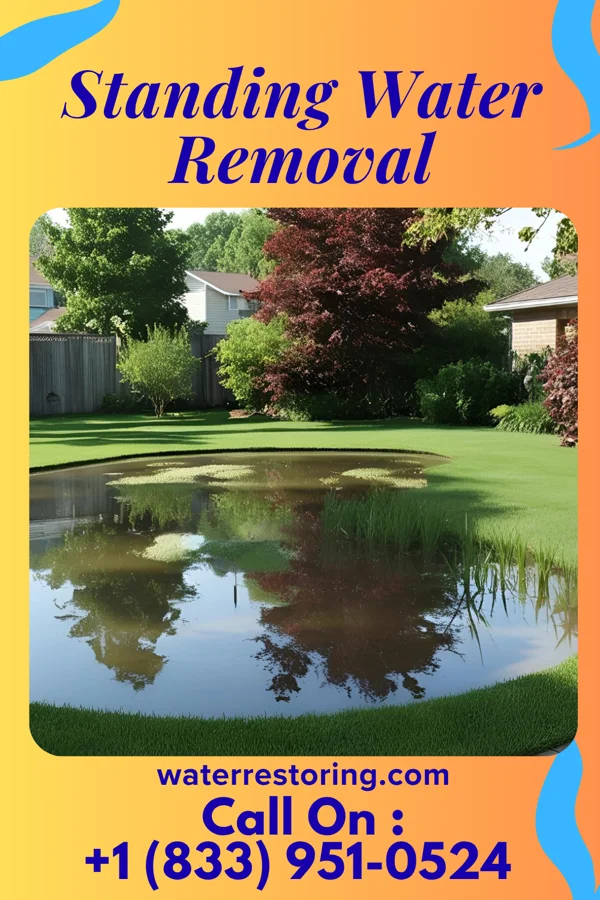
Why Evansville Sees Standing Water Often
The pattern in Evansville is consistent. In Evansville, Minnesota, water damage often stems from burst pipes during the harsh winter months or sudden plumbing failures in rural homes. Additionally, heavy spring rains can lead to basement flooding, especially in areas with poor drainage near Brandon and Millerville. drives most of the emergency restoration calls we get. A close second is Secondary causes include leaking roofs from ice dams common in the area, as well as water infiltration from nearby lakes or rivers during storm events. Poorly maintained septic systems in rural neighborhoods like Ashby can also contribute to localized water issues..
Evansville's cold winters and frequent thawing of frozen ground create a high risk of water intrusion, while its relatively low annual rainfall means that when it does rain, it can be intense and lead to rapid water accumulation in low-lying areas.
Evansville's cold winters and frequent thawing of frozen ground create a high risk of water intrusion, while its relatively low annual rainfall means that when it does rain, it can be intense and lead to rapid water accumulation in low-lying areas. The dominant local driver is In Evansville, Minnesota, water damage often stems from burst pipes during the harsh winter months or sudden plumbing failures in rural homes. Additionally, heavy spring rains can lead to basement flooding, especially in areas with poor drainage near Brandon and Millerville., with Secondary causes include leaking roofs from ice dams common in the area, as well as water infiltration from nearby lakes or rivers during storm events. Poorly maintained septic systems in rural neighborhoods like Ashby can also contribute to localized water issues. showing up as the next most common cause. Damage builds in stages. Spread. Absorption. Microbial growth. Structural compromise. Every stage you pass through adds to the final bill.